
In today’s digital world, your online reputation matters more than ever. Whether you’re an individual trying to maintain a positive personal image or a business striving to stay trustworthy, your online reputation can have a lasting impact on your success. One crucial but often overlooked factor is your IP score. You may not be familiar with it, but your IP score can affect everything from how your emails are received to your ability to keep your online identity safe.
High IP Score
- Emails reach inbox instead of spam.
- More effective marketing and higher conversions.
- Increased trust and brand credibility.
Low IP Score
- Account and service restrictions.
- Emails and transactions may be blocked.
- Loss of traffic and visibility (SEO, ads).
In this article, we’re going to dive into what an IP score is, why it matters, and how it can significantly influence your online reputation. By the end, you’ll understand why maintaining a healthy IP score is just as important as keeping a good reputation on social media or Google reviews.
What Exactly is an IP Score?
Before we explore how your IP score impacts your online reputation, let’s first break it down. Your IP score is essentially a rating assigned to your IP address. It reflects your online activity—how trustworthy or suspicious your behavior is across the web. Much like a credit score for your digital identity, it’s based on how often your IP address is involved in problematic activities like sending spam emails, participating in cyberattacks, or visiting malicious websites.
When you access websites or send emails, your IP score helps other online systems determine whether your actions are legitimate. If you’re following good online practices, your score stays high. But if you’re flagged for things like spamming or engaging in fraudulent activities, your score drops and you might be penalized by websites, search engines, or email providers.
Simply put, your IP score is a reflection of your online behavior and how much trust others should place in your digital presence. And just like your personal reputation, it’s something you need to protect.
How to Check Your IP Score
Your IP reputation (or IP score) determines whether your emails, logins, and online traffic are trusted or blocked. A poor score can lead to email spam filtering, failed transactions, and restricted access. Checking your IP score regularly helps protect deliverability and credibility.
Where to Check IP Score?
- Talos Intelligence (Cisco): talosintelligence.com/reputation_center
- Spamhaus: check.spamhaus.org
- MXToolbox: mxtoolbox.com/blacklists.aspx
- IPVoid: ipvoid.com/ip-blacklist-check
- AbuseIPDB: abuseipdb.com
How to Check
- Go to one of the services above.
- Enter your IP address.
- Review the results:
- Clean IP → no issues, good reputation.
- Flagged IP → appears on blacklists or shows suspicious activity.
Why Does It Matter?
It might sound like just another technical term, but your IP score has a far-reaching effect on your online reputation. It can influence many aspects of your digital life, from the emails you send to the websites you visit. Here’s how.
1. Impact on Email Deliverability
Think back to the last time you sent an important email and it ended up in the spam folder. Annoying, right? Your IP score could very well be the culprit.
Email service providers like Gmail, Yahoo!, and Outlook rely on a variety of factors to decide whether an incoming email is spam or legitimate. One of those factors is the reputation of the IP address from which the email originates. If your IP score is low—because it has been linked to spam or malicious activity—your emails are more likely to be flagged as spam.
This is a huge deal for businesses that rely on email marketing. Imagine sending out a promotional email to your customer base only for it to get buried in the spam folder. That’s a lost opportunity and a potential hit to your reputation.
By maintaining a good score, you improve your chances of having your emails delivered to the inbox rather than the dreaded spam folder, which builds trust with your customers and prospects.
2. Brand Protection: Personal and Business Reputation
Whether you’re an individual managing your brand or a company managing your corporate image, your IP score plays a crucial role in how others perceive you online.
For businesses, a low score can quickly tarnish your reputation. If your IP address gets flagged for activities like fraud, hacking, or sending out mass spam emails, it may reflect poorly on your business. Potential customers might question whether they can trust you, or worse, avoid interacting with your website or services altogether.
For personal brands, a poor IP score can also be damaging. It can make others question your integrity, especially if you’re involved in digital communities like forums or social media. The last thing you want is for people to associate your online presence with bad behavior. So, it’s vital to be aware of your score and ensure that it reflects positively on your reputation.
3. SEO and Website Ranking
Here’s another reason to care about your IP score: it affects your search engine rankings. Search engines like Google are highly selective about the types of websites they rank well in their search results. If your IP address is flagged as suspicious or if you’ve been linked to activities like spamming, there’s a chance it could hurt your site’s SEO performance.
But it doesn’t stop there—IP scores also play a role in how your website is treated by other platforms. For example, websites that allow user-generated content (like reviews, comments, or posts) may block or limit users. If your IP is flagged as problematic, your ability to engage in these communities could be restricted, hurting your reputation and visibility.
4. Advertising and Click Fraud Prevention
For businesses running online ads, your IP score is critical for preventing fraud. Advertisers pay good money to drive traffic and conversions from their ads. So, if your IP is connected to fraudulent activities like click fraud, it could result in serious issues. Click fraud occurs when someone intentionally clicks on ads to generate false impressions or create a financial loss for advertisers.
A low score could cause you to be blocked from participating in ad campaigns, losing access to valuable advertising opportunities. Additionally, online advertisers rely on IP to assess the legitimacy of ad clicks and impressions. If your score indicates suspicious activity, it could prevent your ads from reaching the right audience. This, in turn, can affect the performance of your campaigns.
How Can You Improve Your IP Score?
You have control over your IP, and with a few key steps, you can ensure that it remains trustworthy. Here are some actions you can take to protect and improve your score.
1. Follow Ethical Online Behavior
The most effective way to improve and maintain a good IP score is simply to engage in ethical online behavior. Avoid sending spam, participating in cyberattacks, or visiting shady websites. The more you stay on the right side of the internet, the better your score will be.
2. Use a Reliable VPN or Proxy
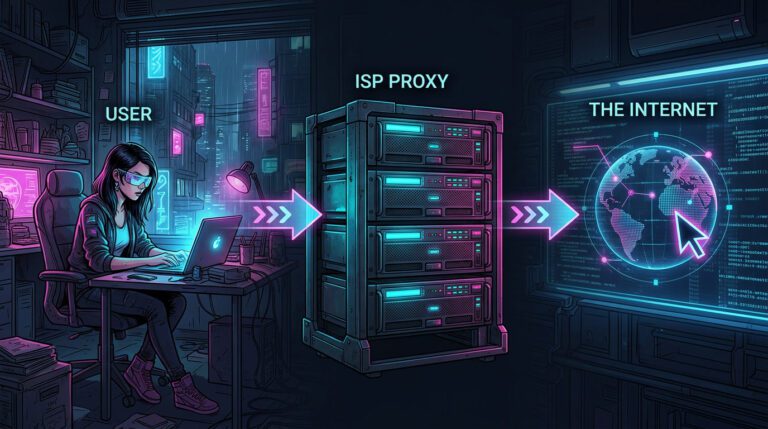
One helpful way to protect your IP is to use a trusted VPN or proxy. These services mask your real IP address and replace it with another, effectively shielding your online activities from scrutiny. If you worry about maintaining privacy or avoiding problems with your score, a VPN can be a good tool for keeping things clean.
3. Check Your IP Score Regularly
Just like you’d check your credit score, it’s a good idea to monitor your IP score periodically. Several tools allow you to check your score to make sure it hasn’t dropped due to association with malicious activities.
By staying on top of your IP score, you can quickly address any potential issues and prevent long-term damage to your reputation.
4. Implement Strong Security Measures
Another important aspect of protecting your IP score is ensuring your devices and network are secure. Malware, viruses, and hacking attempts can all negatively impact your score. Regularly updating your software, using strong passwords, and enabling two-factor authentication are just a few ways to keep your systems secure and protect your online reputation.
Conclusion: Keep Your IP Score in Check to Protect Your Reputation
Your IP score might not be the first thing that comes to mind when you think about managing your online reputation, but it should be. From ensuring your emails reach the inbox to maintaining a trustworthy online identity and keeping your SEO rankings intact, your score is deeply intertwined with your overall reputation.
By following ethical online practices and regularly monitoring your IP score, you can protect your digital identity and reputation. Remember, just like your personal reputation, your score reflects how trustworthy others perceive you to be online. So, take proactive steps to keep it healthy—your online presence will thank you.
Frequently Asked Questions
How do I know if my IP is bad?
You can check if your IP is bad by using tools that monitor IP reputation, like email deliverability tests or IP reputation checkers.
Why does my IP address have a bad reputation?
Your IP address may have a bad reputation due to spam, malware, hacking, or association with suspicious or malicious activities.
How do I fix my bad IP reputation?
To fix your bad IP reputation, avoid unethical activities like spamming or visiting malicious sites. Use a reliable VPN or proxy to mask your IP and check your IP score regularly. Also, it's important to implement strong security measures like updates, strong passwords, and antivirus software.
Is my IP flagged as suspicious?
Check via IP reputation tools (e.g. WhoerIP, Talos, Spamhaus, MXToolbox).
How do I fix my IP reputation?
Remove malware/spam sources, ensure proper email setup (SPF/DKIM/DMARC), request delisting.
What happens if your IP gets reported?
Emails/traffic may be blocked, accounts or transactions restricted.
What is a clean IP?
An IP with no blacklist entries, good reputation, and no malicious/spam activity.
How to fix flagged IP?
Identify cause, stop abuse, secure systems, then request removal from blocklists.
Why am I getting IP reputation attacks?
Hackers exploit IPs for spam, botnets, or fraud to damage credibility.
What is the recommended IP rating?
High/positive score (typically >80/100) for strong deliverability and trust.
Why shouldn't you show your IP address?
It can expose location, enable hacking attempts, or reputation attacks.
What is an IP reputation list?
A database of IPs marked as trusted or suspicious, used by mail servers and security systems.
How to calculate IP score?
By analyzing email behavior, spam reports, blacklist status, and traffic patterns.